




Essential Estate Planning Documents in West Virginia – Your Complete Checklist
Essential Documents to Include in Your Estate Plan
Creating a single will is a good start, but a comprehensive estate plan requires multiple documents working together. Here are the essential pieces and how they work under West Virginia law.
Last Will and Testament
A will spells out who receives your property and names an executor to manage your estate. It can also nominate guardians for minor children. West Virginia requires the testator to sign the will in the presence of two competent witnesses. While notarization isn’t mandatory, a notarized self‑proving affidavit accelerates probate. If you die without a will, state law dictates who inherits. Review your will regularly and update it after marriages, divorces, births, or major purchases.

Revocable Living Trust
A trust holds legal title to your assets and instructs a trustee to manage and distribute property according to your wishes. Benefits:
Avoids probate – Assets in the trust pass directly to beneficiaries, bypassing the probate process and keeping details private.
Continuity – If you become incapacitated, your successor trustee can manage assets without court intervention.
Flexibility – You can amend or revoke a revocable trust at any time.
To be effective, you must fund the trust by retitling assets in its name. Many people forget this step, rendering the trust useless. A lawyer can help ensure your real estate, bank accounts, and investments are properly transferred.
Durable Power of Attorney
A durable power of attorney allows someone you trust (the agent) to handle your financial affairs if you’re unable. Under the West Virginia Uniform Power of Attorney Act, a general power of attorney covers property decisions like banking, investments, and real estate. You decide when it takes effect and can add instructions limiting or expanding authority. Without a POA, your family may need to seek conservatorship through the courts.
Medical Power of Attorney and Living Will
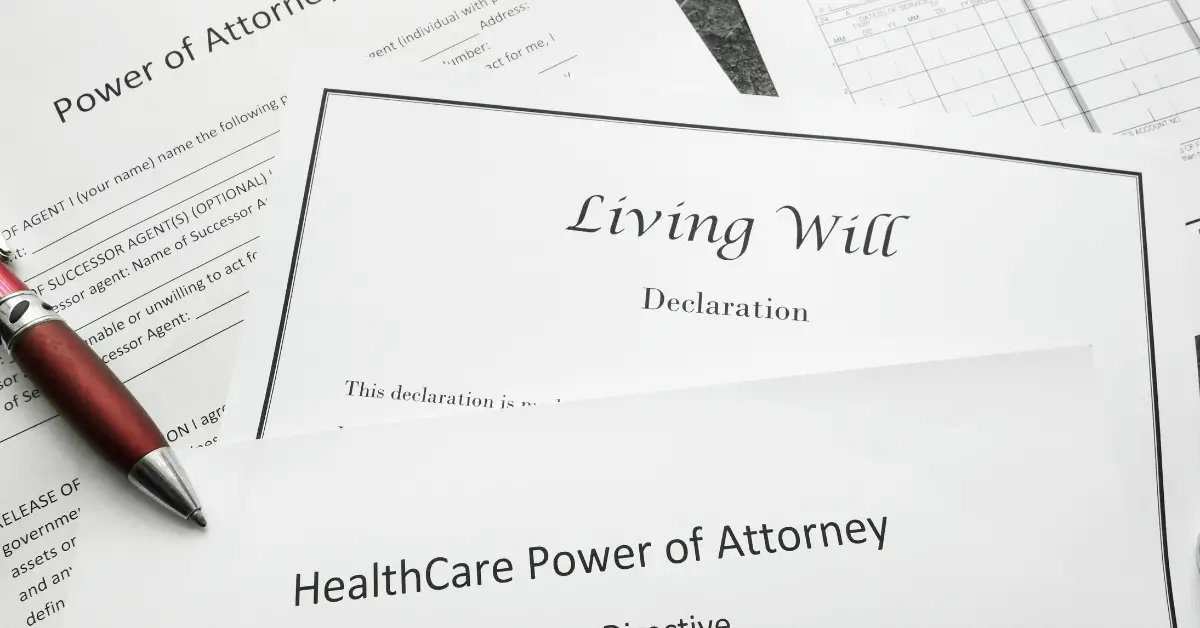
These two documents cover healthcare decisions. A medical power of attorney designates an agent to make medical decisions when you’re incapacitated. A living will (advance directive) outlines your preferences for life‑sustaining treatments if you cannot communicate. The Mayo Clinic notes that advance directives ensure you receive the care you want, relieve the decision‑making burden on caregivers, and reduce confusion or disagreements. In West Virginia, these documents are governed by the Health Care Decisions Act.
HIPAA Release
The Health Insurance Portability and Accountability Act (HIPAA) restricts who can access your medical records. Signing a HIPAA release authorizes your agent, family, and healthcare providers to share necessary information. Without it, doctors may refuse to disclose health information, leaving your agent unable to make informed choices.
Beneficiary Designations and Joint Ownership
Designations on retirement accounts, life insurance, and payable‑on‑death bank accounts bypass your will. Ensure these designations align with your overall plan. Remember to name contingent beneficiaries and avoid listing minors outright.
Joint ownership can also override a will. Married couples often hold property as joint tenants with rights of survivorship. While this can simplify transfers, it may unintentionally exclude children from a prior marriage or complicate Medicaid planning. Review titles carefully.
Guardianship Nominations
If you have minor children, your will should nominate a guardian. Without your nomination, the court decides who raises your children. Choosing someone who shares your values and parenting style is crucial.
Letter of Intent and Personal Property Memorandum
A letter of intent isn’t legally binding, but it provides guidance on your wishes for personal property, funeral arrangements, charitable donations, and the care of pets. Some states, including West Virginia, allow a separate written statement to dispose of personal property not specifically mentioned in the will. This memorandum should be referenced in your will.
Asset Inventory and Digital Assets
Keep a detailed list of your assets, accounts, passwords, and insurance policies. Include digital assets like online banking, social media, and email accounts. Provide instructions for accessing and closing these accounts. Store the inventory securely and update it annually.
Updating and Storing Documents
Review your estate plan every three to five years or after major life changes. Store originals in a safe place (like a fireproof safe) and give copies to your executor or trusted family members. Inform them where to find the documents when needed.
Conclusion
An estate plan is more than a single document. Assemble these essential pieces to protect your family, avoid probate, and ensure your wishes are honored. Chris Pritt Law, PLLC can help you tailor each document to your circumstances and keep your plan current.