



Understanding Probate in West Virginia – A Complete Guide
Probate is the court‑supervised process of transferring a deceased person’s property to heirs and paying debts. While the word may conjure images of lengthy court battles, understanding the process helps reduce stress.
When Probate Is Required
Probate deals with assets owned solely by the deceased. Non‑probate assets—such as jointly owned property with rights of survivorship, payable‑on‑death accounts, life insurance with named beneficiaries, and trust assets—bypass probate. If all assets pass outside probate, the estate may not need to open a probate case.
Where to Start
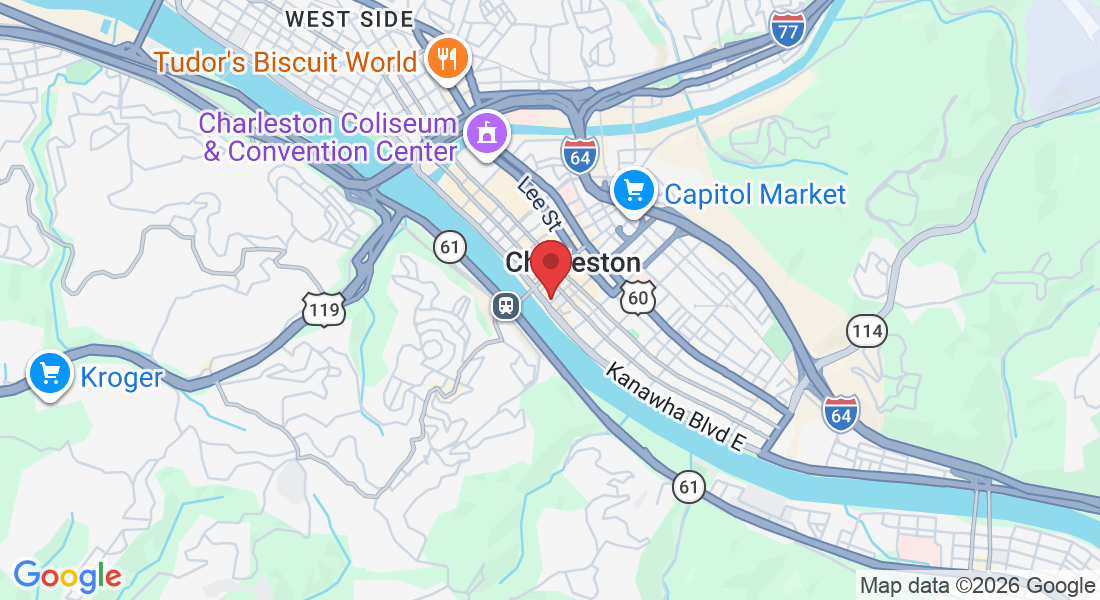
West Virginia law requires that the deceased person’s will (if any) be delivered to the county clerk within 30 days of death. Failure to do so is a misdemeanor. Probate typically occurs in the county where the person lived or owned property. Contact the county clerk (e.g., Kanawha County Commission) to start the process.

Steps in the Probate Process
Legal Aid WV outlines the general sequence:
Contact the county clerk’s office. Provide a certified death certificate and the original will (if there is one). If there’s no will, you still initiate probate.
Appoint an executor or administrator. If the will names an executor, that person is sworn in. If there’s no will, heirs can apply to be appointed; the surviving spouse has preference. This person manages the estate.
Appraise the estate. The executor files an Appraisement listing probate property and its value and a Nonprobate Inventory listing non‑probate assets. West Virginia Code §44-1-14 and §11-11-7 specify requirements.
Notify creditors and pay debts. The county clerk publishes a Notice of Administration. Creditors have 60 days to file claims. The executor pays valid debts and taxes. If assets are insufficient, property may be sold.
Close the estate. After debts and taxes are settled, the executor files either a Final Settlement or Waiver of Final Settlement. A fiduciary commissioner or supervisor reviews and closes the estate.
Distribute remaining property. Once the estate is closed, the executor distributes property to beneficiaries or heirs.
Executor vs. Administrator
An executor serves when there is a will and is usually named in the will. The executor must take an oath and can be anyone over 18, often a spouse, adult child, or trusted friend. If there is no will, the court appoints an administrator. Under West Virginia law, the surviving spouse has priority. Other heirs may apply if the spouse declines.
If There Is No Will
Even without a will, probate is required. The administrator distributes property according to intestate succession laws. Depending on whether the deceased had children and whether the surviving spouse has children from a previous relationship, the spouse may inherit between 50 % and 100 % of the estate. Remaining property passes to children, grandchildren, parents, and other relatives in a specific order.
Probate Shortcuts
West Virginia offers a Small Estate Act that simplifies probate for estates of limited size (as of 2025, estates valued under $100,000 or personal property under $50,000, though thresholds change). This process reduces costs and paperwork. Another way to avoid probate is by using revocable trusts, joint ownership, and beneficiary designations. Planning ahead with an attorney can minimize or eliminate the need for probate.

Practical Tips for Executors
Gather paperwork. Collect bank statements, deeds, titles, tax returns, insurance policies, and account statements.
Keep detailed records. Track all income and expenses related to the estate. Use a separate bank account for estate funds.
Communicate with heirs. Provide regular updates to beneficiaries. Transparency helps prevent disputes.
Hire professionals. Consider hiring an attorney to navigate probate, an accountant to prepare final tax returns, and an appraiser for property valuations.
Be patient. Probate can take several months to over a year, depending on complexity and creditor claims.
Conclusion
Understanding probate empowers you to navigate or avoid it. By planning ahead with trusts and proper beneficiary designations, you can reduce the burden on your heirs. If you’re an executor, stay organized, communicate clearly, and seek professional guidance. Chris Pritt Law, PLLC can help you administer estates efficiently and comply with West Virginia law.