

What Does an Estate Planning Attorney Do? A Guide for Charleston, WV Families
An estate planning attorney drafts the legal documents that decide who gets your assets, who makes decisions for you if you can't, and how smoothly your family gets through probate — and makes sure those documents actually hold up under West Virginia law. It's more than filling out a form. It's identifying which documents your specific situation needs, drafting them to work together, and making sure they'll do what you expect when your family actually needs them.
People usually start looking into this after a life event — a new child, a marriage, buying a house, or watching a friend or relative go through a messy probate. The confusing part is that "estate planning" isn't one document; it's a set of them, and each covers a different scenario. Some handle what happens while you're alive but unable to make decisions. Others only matter after you die.
This post walks through what an estate planning attorney actually does day to day, why West Virginia-specific rules matter more than people expect, and what working with one looks like from the first conversation to a finished plan.
The Short Version: What an Estate Planning Attorney Does
An estate planning attorney meets with you to understand your family, your assets, and your goals, then drafts the specific documents — a will, trust, durable power of attorney, and medical power of attorney, depending on your situation — needed to carry them out under West Virginia law. They explain what happens if you do nothing, catch gaps a generic template would miss, and make sure the documents are signed and executed correctly so they're valid when someone actually needs to rely on them. Most attorneys also help you keep the plan updated as your life changes — a divorce, a new grandchild, a change in assets — so it still reflects your actual wishes years later.
An Estate Planning Attorney Drafts the Documents That Control What Happens to You and Your Assets
The core of the job is drafting. Each document in an estate plan does a different job, and an attorney figures out which ones you actually need rather than handing you a one-size-fits-all packet.
A Will Names Who Gets Your Property and Who Raises Your Kids
A will is usually the foundation. It states who inherits your property, and — for parents of minor children — it lets you nominate a guardian to raise them if something happens to both parents. Under West Virginia Code § 44-10-1, a parent can name that guardian directly in a will. A judge still has to approve the appointment, but naming your choice in writing carries real weight and avoids leaving that decision to a court with no guidance from you.
A Trust Can Move Assets Around Probate Entirely
A trust holds assets on your behalf, managed by whoever you name as trustee, and can distribute them to your beneficiaries without going through probate at all. An attorney helps you decide whether a trust makes sense for your situation — it isn't automatic for everyone — and, if it does, makes sure the trust is actually funded, meaning your accounts and property are retitled into it. A trust that's signed but never funded doesn't avoid probate; it just sits there unused.
Powers of Attorney Name Who Acts for You if You Can't
A durable power of attorney lets you name someone to handle your finances if you become unable to. A medical power of attorney, sometimes paired with a living will, lets you name someone to make healthcare decisions and spells out your wishes for end-of-life care. In West Virginia, these are governed by the Uniform Power of Attorney Act, which requires the document to be signed and notarized in a specific way to be valid. An attorney makes sure the paperwork meets that standard so a bank or hospital doesn't reject it when your family needs it most.
An Estate Planning Attorney Explains What Happens If You Don't Have a Plan
Part of the job is making the stakes concrete. Most people know they "should" have a plan, but an attorney lays out exactly what fills the gap when there isn't one — which is usually more disruptive than people expect.
Without a Will, West Virginia's Laws Decides Who Inherits
If you die without a will, West Virginia's intestate succession law (meaning what happens if you pass away without a will) decides who gets your property, in a fixed order set by statute rather than by what you'd actually want. That order prioritizes spouses and children in specific shares, and it doesn't account for a partner you weren't married to, a stepchild you raised, or a friend who was practically family. An attorney explains exactly how that order would apply to your situation, which is often the moment a plan stops feeling optional.
Without Powers of Attorney, Your Family Has to Go to Court
If you become incapacitated without a signed power of attorney or medical directive, no one — including a spouse — automatically has authority to act for you. Your family would have to petition the court for guardianship or conservatorship, a process that takes time, costs money, and puts a judge in the position of deciding who's in charge. An attorney's job is to put that authority in writing ahead of time, so the person you actually trust can step in immediately instead.
Generic Online Templates Often Don't Hold Up Under West Virginia's Rules
A downloaded form might look complete, but it's built for generic use, not West Virginia's specific signing, witnessing, and notarization requirements. A small defect — a missing witness signature, the wrong number of witnesses, an outdated statutory reference — can mean the document doesn't hold up when someone tries to use it, and by then it's often too late to fix. An attorney drafts to the actual current statute, not a template that may have been written for a different state or a different decade.
An Estate Planning Attorney Coordinates Your Plan With the Rest of Your Life
Documents don't work in isolation. An attorney's job also includes making sure the plan lines up with everything else that affects who actually receives your assets.
Beneficiary designations on retirement accounts and life insurance policies pass directly to whoever is named on the account — they don't go through your will at all, even if your will says something different. An attorney checks those designations against your overall plan so there's no contradiction between what your will says and what your accounts actually do. They'll also flag related situations that come up alongside estate planning, like property deeds that need updating or protections worth putting in place before a second marriage.
This is also where an attorney becomes a long-term resource rather than a one-time service. Life changes — a marriage, a divorce, a new child, a move, a change in what you own — and a plan that fit five years ago may not fit now. Part of the job is making it easy to come back and update documents as those changes happen, rather than leaving you with paperwork that quietly goes stale. Keeping a simple "road map" of where your documents are stored and who's responsible for what is something an attorney can help you put together once the core documents are done.
What to Expect When You Work With an Estate Planning Attorney
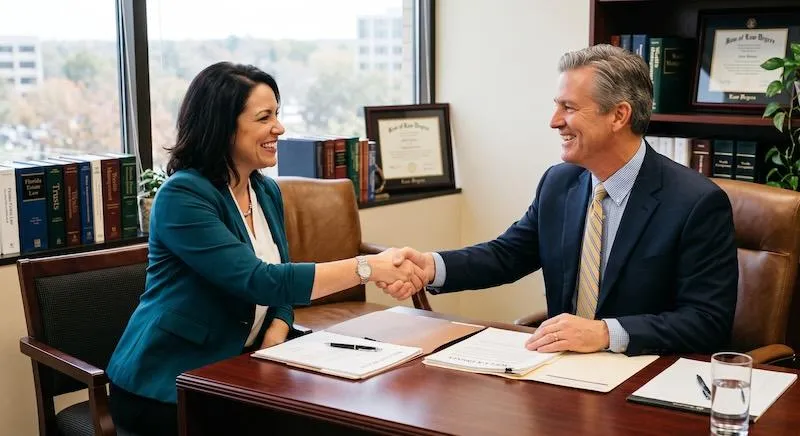
An initial consultation where you talk through your family, your assets, and what you're trying to accomplish
A recommendation on which specific documents fit your situation — not a standard package applied to everyone
Drafts you review before anything is signed, with plain-language explanations of what each document actually does
A signing appointment handled correctly under West Virginia's witnessing and notarization rules
Guidance on next steps, like retitling accounts into a trust or updating beneficiary designations
An open door to update the plan later as your life changes
Frequently Asked Questions
How much does an estate planning attorney cost?
Costs vary by how many documents you need and how complex your situation is — a simple will costs less than a full plan with a trust. Most attorneys, including Chris Pritt Law, will give you a clear cost estimate during your consultation before any drafting begins.
Do I need an estate planning attorney if I don't have many assets?
Yes. Estate planning isn't just about the size of your estate — it's about who makes medical and financial decisions for you if you can't, and who raises your kids if something happens to you. Those questions matter regardless of how much you own.
Can an estate planning attorney help after someone has already passed away?
Yes. Attorneys who handle estate planning often also guide families through probate and estate administration, helping the named executor or administrator meet West Virginia's filing and notice requirements.
How often should I update my estate plan?
Review it after any major life event — marriage, divorce, a new child or grandchild, a move, or a significant change in assets. Even without a specific trigger, it's worth revisiting every few years to make sure it still reflects your wishes.
Charleston Families Get the Most Out of a Plan Built Around Their Actual Situation
An estate planning attorney's job is to turn "I should probably do something about this" into documents that actually work when your family needs them — drafted to West Virginia's specific rules, coordinated with your real assets, and kept current as your life changes. If you're ready to start that conversation, contact Chris Pritt Law to schedule a consultation.